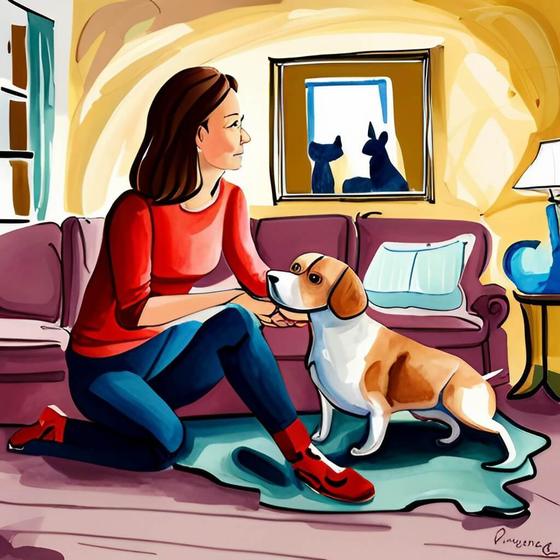
Why a Senior Dog Might Be the Perfect Fit
Older shelter dogs wait the longest. Many of them are the easiest dogs to live with.
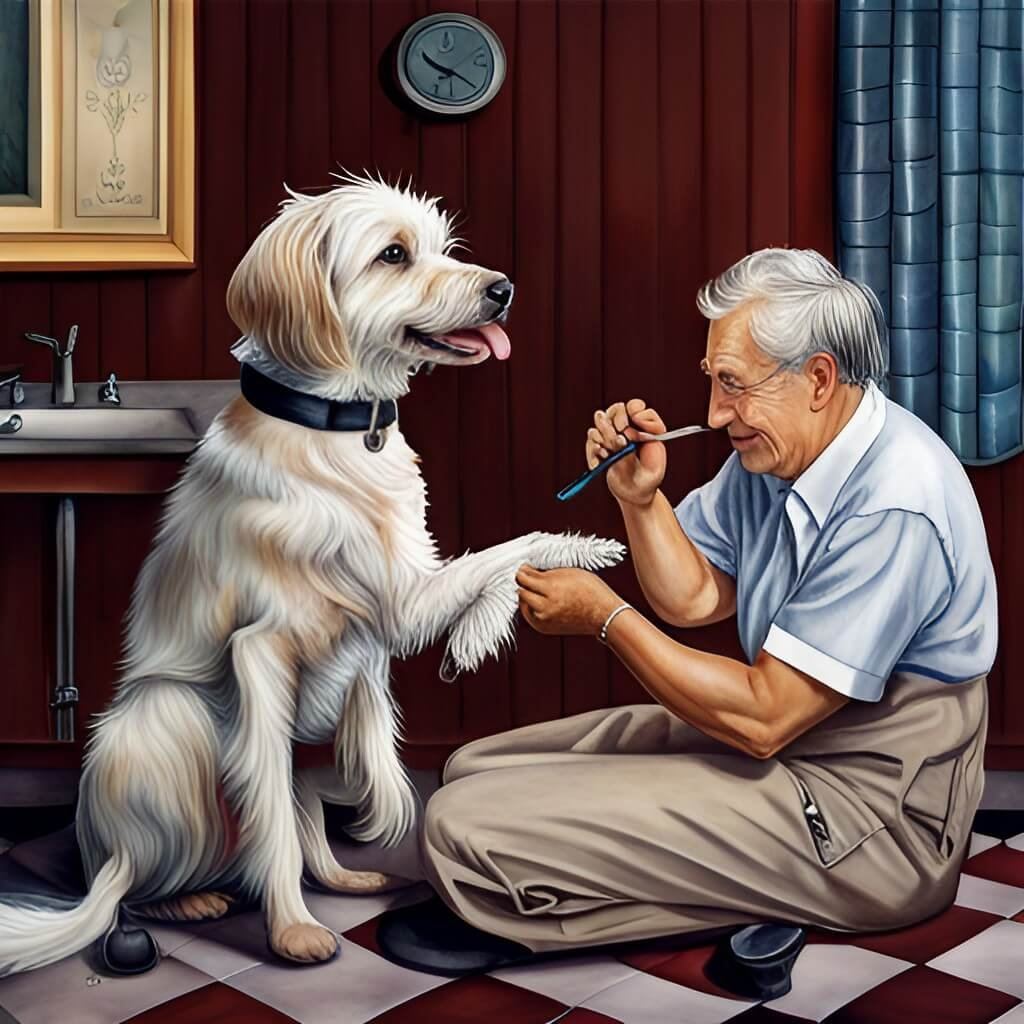
Puppies get the attention at adoption events. Dogs over seven years old often wait much longer for a home. Yet for many households, a senior dog is the better match.
What you get with an older dog
- What you see is what you get. Their size, energy level and personality are already set.
- They're often house-trained and already know basic manners.
- Calmer energy. Many seniors are happy with a couple of good walks and a soft bed.
- Less destruction. The chewing-everything phase is usually long gone.
What to plan for
- Vet care. Budget for a checkup soon after adoption, plus dental care and bloodwork as recommended.
- Comfort at home. Orthopedic beds, rugs on slippery floors, and ramps or steps can make a big difference.
- Diet. Ask your vet whether a senior formula makes sense for your dog.
Questions to ask the shelter or rescue
- What do you know about this dog's health history?
- How do they do with kids, cats or other dogs?
- Are there any medications or special needs?
- Does the rescue offer any medical support for seniors? Some do.
Senior dog rescues around the country place thousands of older dogs every year. Muttville alone placed 145 in a single month this summer.
This guide is general information. If your dog is sick, hurt or acting unusually, call your veterinarian.